Arsenal vs PSG: How a Win, Draw or Loss in Budapest Would Define the 2025–26 Champions League Final
Latest Champions League final update: Arsenal and PSG meet in Budapest where a win, draw (extra time/penalties) or loss will shape club legacies, managerial reputations and next-season narratives.
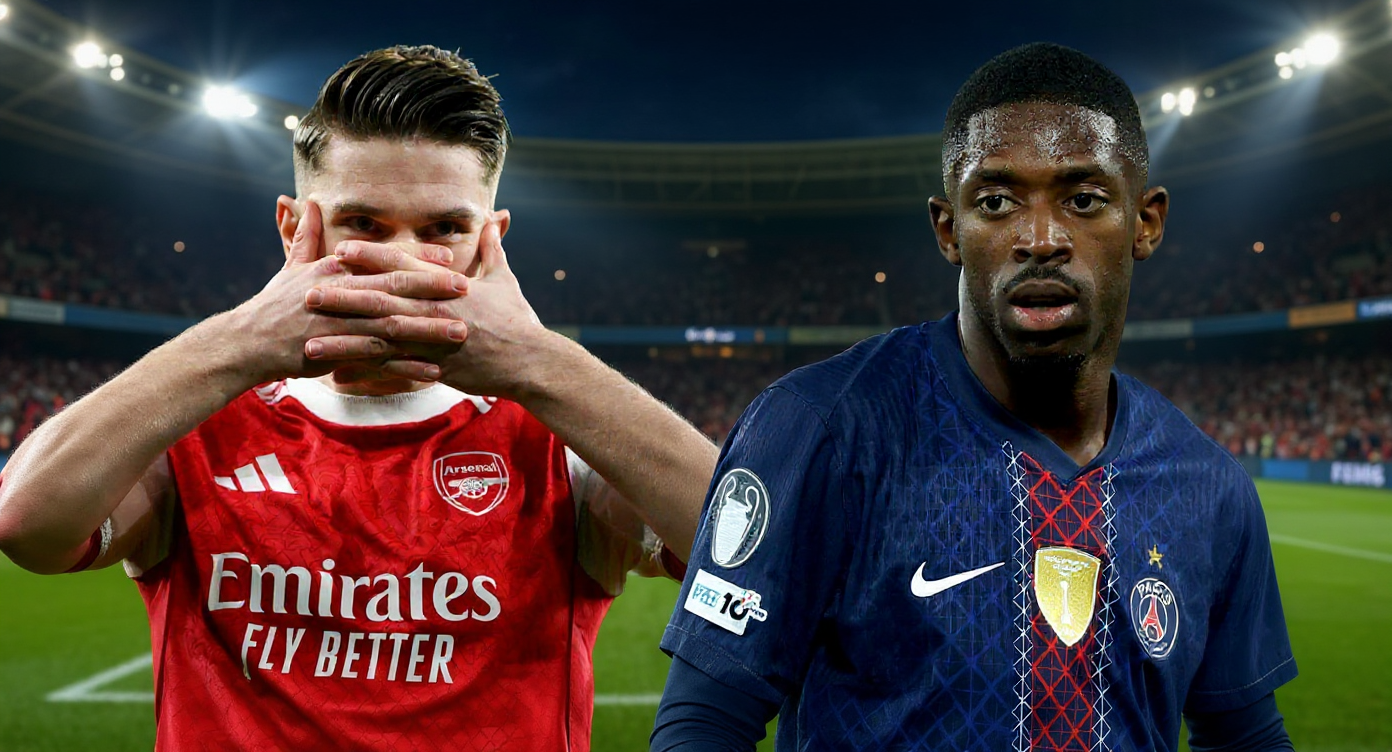
What’s at stake in Budapest and why it matters?
Arsenal meet Paris Saint-Germain in the 2025–26 UEFA Champions League final at Budapest’s Puskás Arena, and the result — win, draw (leading to extra time and possibly penalties), or loss — will materially affect both clubs’ immediate histories and narratives. For Arsenal, a victory would cap a season that already includes a Premier League title and mark a landmark domestic-and-European double; for PSG, victory would deliver back-to-back Champions League trophies and consolidate a rapid rise into Europe’s elite. The outcome also reflects on the managers’ projects and the legacy of key players on either side.
How an Arsenal win would reshape the club’s recent rise
A win for Arsenal in Budapest would represent a culmination of the club’s steady rebuild under Mikel Arteta. The Gunners already enjoyed a Premier League title this season, and lifting the European Cup would deliver a rare domestic and continental double. Arsenal’s defence — notably the partnership of William Saliba and Gabriel and goalkeeper David Raya — has been central to the club’s run, with the side conceding few goals in the competition, according to the source. Victory would also provide redemption for last season’s semifinal exit to PSG and elevate several members of the current squad into long-term club folklore.
A draw: extra time, penalties and the fine margins
If the match is level after 90 minutes, the final will proceed to extra time (two 15-minute halves) and, if still tied, a penalty shootout — the standard format for Champions League knockout finals. A draw in regulation would underline how closely matched the teams are and likely produce a tense tactical battle between Arteta and Luis Enrique. The source suggests PSG’s squad freshness — a result of heavy rotation during the season — could be decisive if the game goes beyond 90 minutes, while Arsenal’s consistent defensive organisation and unbeaten European run point to their resilience in pressure situations.
What a PSG victory would mean
A PSG win would secure consecutive Champions League titles and further validate Luis Enrique’s methods at the Parc des Princes. It would mark an important milestone in PSG’s evolution from perennial contender to repeat champion and underline the club’s capacity to perform on the biggest stage. For Arsenal, defeat would be a painful end to an otherwise outstanding campaign, echoing the club’s 2006 final loss and leaving questions about how to bridge the final small gap on Europe’s biggest stage.
- Arsenal and PSG have met seven times previously, with two wins each and three draws across those meetings.
- PSG beat Arsenal 3–1 on aggregate in last season’s Champions League semifinal; Arsenal previously won 2–0 in the league phase the same season, illustrating how results have swung both ways.
- If level after 90 minutes, the final goes to extra time and, if required, a penalty shootout.
- Arsenal’s defensive record in this Champions League run is highlighted as a cornerstone of their campaign.
- PSG’s heavy squad rotation during the season could mean fresher players if the match goes to extra time, according to the source.
Tactical contrast and match-up dynamics
The final pits contrasting philosophies: Arsenal’s defensive organisation and controlled possession versus PSG’s adaptable attack that can shift between aggressive pressing and patient build-up. PSG’s front line — featuring players the source names as Ousmane Dembélé, Khvicha Kvaratskhelia and Désiré Doué — provides pace and creativity. Arsenal’s structure, backed by a compact defensive unit, has produced strong results in Europe this season. These differences suggest the match may be decided by moments of individual quality or switching tactical plans effectively during the game rather than a wholesale dominance by either side.
Why it matters beyond the final whistle
The outcome will shape short- and medium-term narratives: trophy cabinets, managerial reputations and transfer-room leverage. A Champions League triumph would amplify Arsenal’s recruitment narrative and validate Arteta’s long-term project; a PSG repeat would strengthen Luis Enrique’s stock and deliver a clear sign of PSG’s continental ascendancy. The final also affects player legacies — players on the winning side are likely to be remembered as part of a defining generation for their clubs.
What happens next: the immediate consequences and follow-up
The immediate next steps after the final are straightforward: the winning club celebrates a landmark achievement and the losing side assesses how to respond in the transfer window and the new season. Specific implications for contracts, transfers, or manager futures were not covered in the supplied source and would require official club statements or additional reporting to confirm. Confirmed match-day details such as the exact date and kick-off time, starting line-ups, injury or suspension updates, and post-match quotes are not present in the supplied metadata and should be sourced before publication.
What it means for fans and the clubs
For supporters, this match is a defining moment: Arsenal fans could witness their team complete a historic season; PSG fans could see their club establish a rare European double. For both clubs, the result will influence how the campaign is remembered and could have practical effects on recruitment narratives and managerial standing, though those downstream consequences require further reporting to quantify.