Austria World Cup 2026 Preview: Rangnick’s High-Press Squad, Key Men and Group J Outlook
Latest Austria World Cup 2026 team preview: Ralf Rangnick’s high-intensity side returns to the finals, led by Christoph Baumgartner and captain David Alaba, drawn with Argentina, Algeria and Jordan. What to expect and key fixtures.
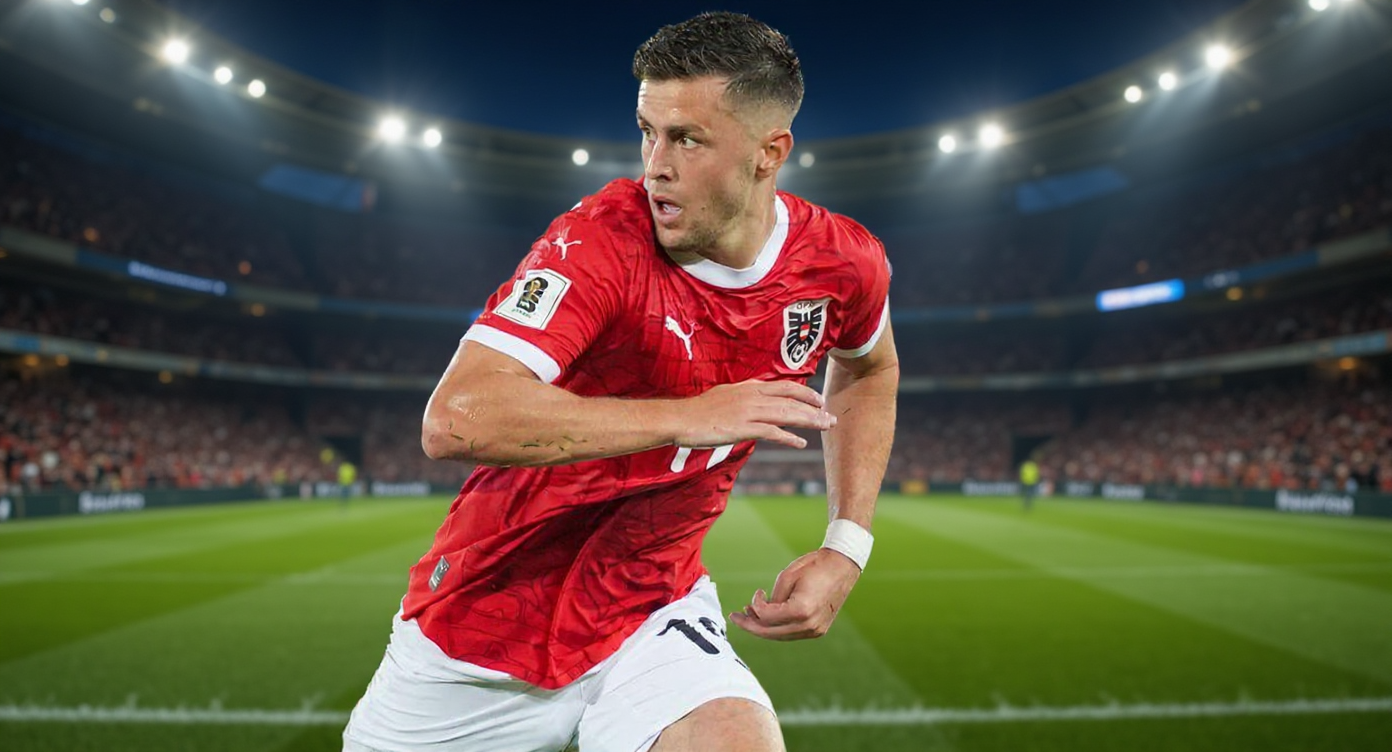
Who: Austria’s national team under head coach Ralf Rangnick. What: A full tactical and squad preview ahead of their opening World Cup 2026 match. When: Austria begin the tournament on 17 June 2026 against Jordan (kickoff 04:00:00+00:00). Why it matters: Austria return to the World Cup for the first time since 1998 and arrive with a distinctive high-press identity, a deep squad featuring established internationals and a draw in Group J that includes reigning champions Argentina — making their opening fixtures decisive for qualification hopes.
Why it matters: momentum, system and a tricky Group J
Austria’s presence at the 2026 finals is notable for three reasons: the team’s tactical makeover under Rangnick, its strong qualification run, and a group that pairs them with top-level opposition. Rangnick’s methods have transformed Austria into a proactive, pressure-oriented side; the squad’s ability to sustain that approach will shape whether they can progress from a pool that contains Argentina, Algeria and Jordan.
How Austria play under Ralf Rangnick
Rangnick has implemented a high-intensity pressing template that prioritises immediate pressure after losing possession and aims to win the ball in advanced areas. That approach is built around ball recovery as a creative tool: turnovers high up the pitch become the launchpad for quick transitions and chances in the final third. The system has produced clear statistical markers during qualifying — notably high possession figures and a strong tackling rate — and has required players to accept heavy physical demands.
The pressing game also dictates personnel choices. Central creators must be able to read transitions and both press and receive within confined spaces, while wide players and forwards are expected to support recovery and exploitation of the opponent’s disrupted structure. Rangnick’s international management record is recent, but his club-level reputation for shaping aggressive, organised teams has carried through to the national setup.
Key players and squad balance
Christoph Baumgartner stands out as Austria’s principal creative presence. His club form has underpinned the national team role: he operates between the lines, finds pockets of space to link play, and also fulfils pressing triggers that suit Rangnick’s system. David Alaba continues as captain, providing leadership and experience in a squad mixing Premier League, Bundesliga and other European-based professionals.
The squad list includes experienced defenders and midfielders from top clubs — names such as Konrad Laimer, Marcel Sabitzer and several RB Leipzig players appear — and a front line featuring Michael Gregoritsch and Marko Arnautović. That depth helped Austria finish top of their European qualifying group and concede only four goals across the campaign, evidence of a defensive structure that complements the forward press.
How Austria qualified — the numbers that matter
Austria topped their qualifying group, finishing two points clear of Bosnia and collecting 19 points from eight matches with just one defeat. Their final fixture against Bosnia ended 1-1 after Michael Gregoritsch scored a late equaliser in the 77th minute to secure direct qualification. Across the cycle the team conceded only four goals, suggesting a resilient defensive baseline behind the high-energy offensive model.
Group J outlook and immediate fixtures
Austria are drawn in Group J with Argentina, Algeria and Jordan. Their opening match is against Jordan on 17 June 2026 (kickoff 04:00:00+00:00). The fixture list places an early emphasis on securing points in the opener, while the encounter with Argentina represents the toughest test on paper against the reigning world champions. The meeting with Algeria is likely to be decisive for second-place contention and will test whether Austria’s pressing game can consistently unsettle a strong North African side.
- Austria return to the World Cup for the first time since 1998 and are coached by Ralf Rangnick.
- Austria topped European qualifying with 19 points, one defeat and conceded only four goals.
- Christoph Baumgartner is the squad’s chief creative outlet; David Alaba remains captain.
- Austria play Jordan in their opening match on 17 June 2026 (kickoff 04:00:00+00:00) and are in Group J with Argentina and Algeria.
- Rangnick’s brand of relentless pressing is the defining tactical feature and a potential strength or stamina risk in North American conditions.
Tactical strengths and potential vulnerabilities
The primary strength is collective organisation around the press: Austria seek to control games by forcing turnovers and converting those moments directly into attacking opportunities. When executed successfully, that approach limits opposition time on the ball and creates high-quality chances from transitions. The defensive record in qualifying — just four goals conceded — points to effective structure when the team is disciplined.
The chief vulnerability is the system’s physical toll. Sustaining intense pressing through multiple group matches, particularly in the North American summer, raises concerns about stamina management and squad rotation. Injuries, fatigue or an early red card could force Austria into secondary plans that rely more on set pieces and wide play than on their usual transitional game.
What it means: targets and what to watch
Austria’s short-term target is straightforward: emerge from Group J in the top two. That will require a strong start against Jordan, a measured performance against Argentina and a decisive result when facing Algeria. For Rangnick, managing minutes and energy across the squad will be as important as tactical preparation. Fans should watch how Baumgartner influences games in tight spaces, how Alaba marshals the defence, and whether the press remains sharp late into matches in the North American heat.
If Austria can balance intensity with intelligent rotation, their identity gives them a clear route to progressing from the group and potentially causing upsets in the knockout rounds. Conversely, if the physical demands prove unsustainable, the team may be forced into a more conservative posture that reduces their offensive potency.
Final word
Austria arrive at World Cup 2026 as a coherent, well-drilled side built around Rangnick’s high-press philosophy. With a compact defensive record from qualifying, an in-form creative engine in Christoph Baumgartner and experienced leadership from David Alaba, they have the tools to advance. The tournament will ultimately test whether the squad can maintain the required intensity under tournament conditions and against elite opponents such as Argentina.
What happens next: Austria’s opening fixture against Jordan on 17 June 2026 (kickoff 04:00:00+00:00) offers the first chance to see whether the preparation and squad depth translate into the three points needed to set a positive tone for a challenging Group J campaign.
Frequently asked questions
When does Austria play their opening match at the 2026 World Cup?
Austria play Jordan on 17 June 2026 with kickoff listed at 04:00:00+00:00.
Who is Austria’s head coach and tactical identity at the tournament?
Ralf Rangnick is the head coach; his Austria team is defined by a high-intensity, collective pressing system that seeks to win the ball high up the pitch.
Who is Austria’s key player to watch?
Christoph Baumgartner is the squad’s primary creative midfielder, noted for linking play between midfield and attack and for his pressing work.
How did Austria qualify for the World Cup?
Austria finished top of their European qualifying group with 19 points, one defeat, and secured qualification after a 1-1 draw with Bosnia in the final match where Michael Gregoritsch scored an equaliser.