How Mikel Arteta’s five-phase plan delivered Arsenal the 2026 Premier League title
A Sports Mole analysis traces Mikel Arteta’s five-phase strategy that transformed Arsenal into Premier League champions for the first time in 22 years and why it matters for the
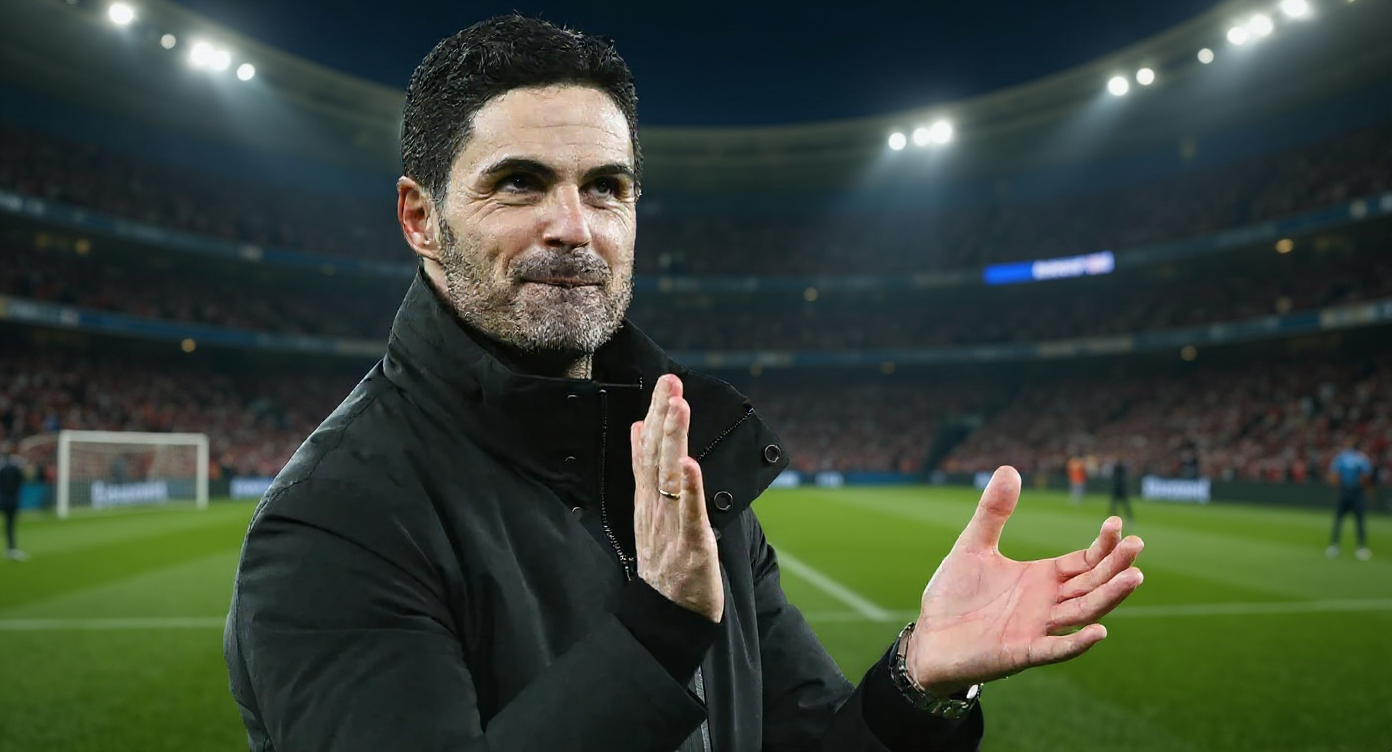
Who, what, when and why it matters: Sports Mole’s feature explains how Mikel Arteta completed a deliberate five-phase process to guide Arsenal to the 2026 Premier League title — their first top-flight crown in 22 years. The breakdown shows how long-term planning, recruitment and tactical evolution combined to produce sustainable success, a model that will influence Arsenal’s transfer strategy, squad planning and expectations for Champions League competition.
Phase-by-phase in brief
Sports Mole presents Arteta’s project as a clear sequence of five phases, each building on the previous one. The article positions the phases as strategic milestones rather than isolated events, charting a path from initial rebuilding to title-winning maturity. The feature links recruitment, coaching development and tactical identity as core components that coalesced in the final phase to deliver the championship.
Why it matters for Arsenal and the Premier League
The analysis stresses that the importance of Arteta’s five-phase model goes beyond a single trophy. For Arsenal, the approach suggests a template for sustaining competitiveness: targeted transfers, a defined playing identity and incremental improvements in coaching and squad depth. For the Premier League, Arsenal’s success under Arteta reinforces the idea that coherent long-term processes can overturn short-term power balances and shift the title race landscape.
Key tactical and structural themes highlighted
While the Sports Mole piece frames Arsenal’s rise as a phased programme, it also highlights recurring themes: a tactical identity implemented gradually, recruitment aligned to a desired playing style, and investment in coaching and player development. The article argues these elements combined to produce consistent progress across seasons and ultimately the title-winning season.
- Mikel Arteta implemented a five-phase process that culminated in Arsenal winning the Premier League for the first time in 22 years.
- The strategy combined recruitment, coaching development and tactical evolution.
- The phases are presented as cumulative milestones, not one-off fixes.
- Sports Mole frames the model as relevant to Arsenal’s future squad planning and to how rivals may respond.
Context: what the five-phase model implies for transfers and squad planning
According to the Sports Mole feature, completing the five-phase process places a premium on continuity — keeping players and coaches aligned to the club’s blueprint — and on making future recruitment choices that fit the established identity. The piece implies Arsenal will prioritise signings and contract decisions that preserve the tactical and cultural momentum that delivered the title.
The article also suggests implications for Arsenal’s immediate fixture calendar and competitive priorities: with the title secured, European competition demands and squad rotation will become central considerations for the club’s next planning cycle. Specific transfer targets, contract renewals or squad changes were not listed in the supplied metadata and should be verified before publication.
What it means and next steps
Sports Mole’s assessment frames the 2026 title as the outcome of a coherent long-term plan rather than a single-season peak. For Arsenal, the challenge after the triumph will be to sustain the structures that produced success: recruitment aligned to the manager’s philosophy, ongoing coaching development and smart squad management to cope with domestic and European demands.
For rivals and observers, the piece positions Arteta’s five-phase process as a model worth studying — a reminder that carefully sequenced development can yield a return to the top of English football.
This draft relies exclusively on the Sports Mole analysis linked in the sources. Match-level details, quotes from Arteta or Arsenal staff, specific transfer names, financial figures and exact timelines beyond the article should be confirmed with primary sources before publishing.