Norway World Cup Preview and Update: Solbakken’s side beat Iraq 4-1 in Group I
Latest Norway World Cup preview and team update: coach, tactics and key players including Erling Haaland and Martin Ødegaard, plus what their 4-1 win over Iraq means for Group I chances.
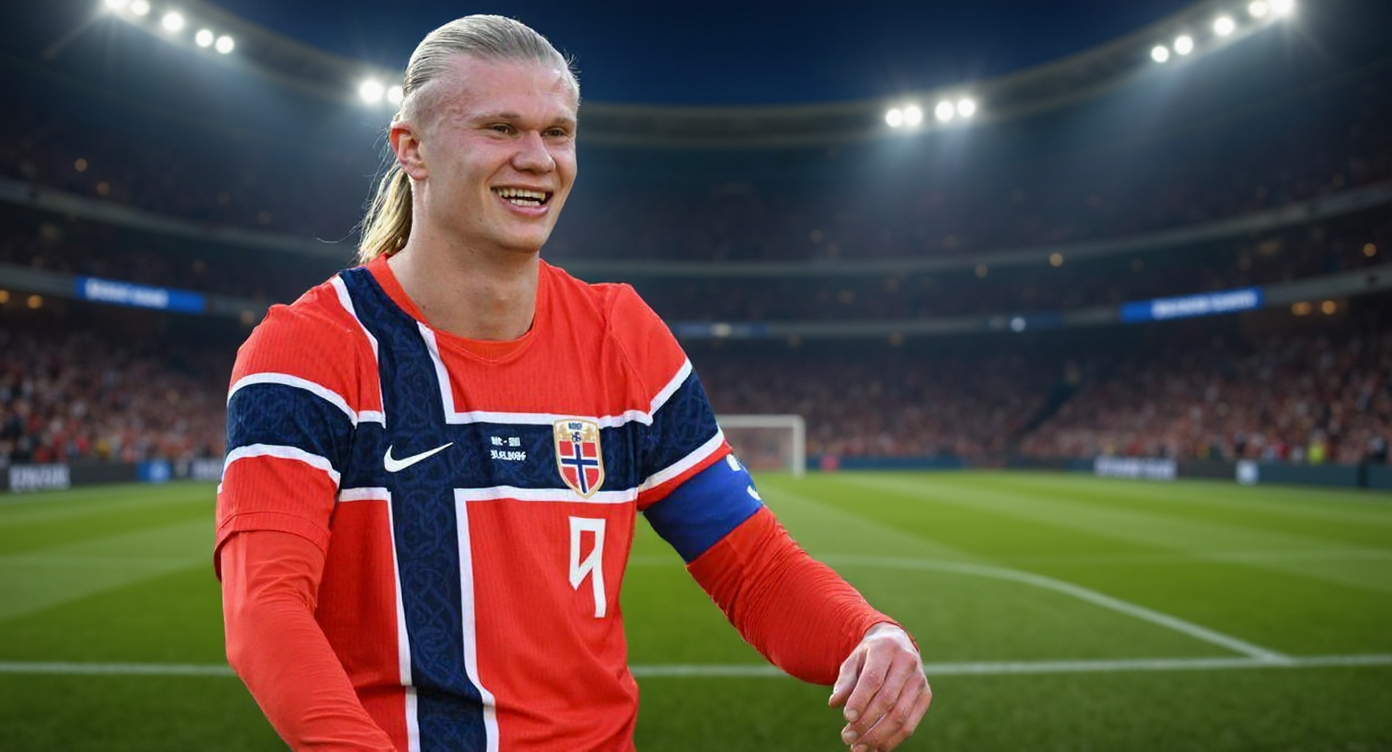
Who: Norway’s Ståle Solbakken-led side. What: A World Cup preview and team update. When: Ahead of and immediately after Norway’s Group I opener on 16 June 2026. Why it matters: Norway arrive at this World Cup as one of the most potent attacking teams on paper — led by Erling Haaland and captain Martin Ødegaard — and underlined that potential with a 4-1 win over Iraq in their opening Group I fixture.
Why it matters
Norway return to the World Cup for the first time since 1998 and do so after an undefeated qualifying campaign that established them as a genuine threat. Their blend of elite attacking talent, a disciplined defensive structure and a pragmatic coach in Solbakken makes them a team capable of both toppling big names and navigating the tournament’s knockout phases. The opening 4-1 result against Iraq early in Group I provides immediate evidence that their attacking firepower can yield decisive outcomes on the big stage.
How Solbakken sets the team up
Under Solbakken, Norway typically deploy a fluid 4-2-3-1 or 4-3-3 shape that emphasises collective defensive responsibility and rapid transition. The system is designed to exploit Haaland’s pace and physical presence, which stretches defensive lines and creates space for Martin Ødegaard to operate as the chief creative pivot. Full-backs and wingers — including the likes of Antonio Nusa and Oscar Bobb in the squad — supply width and unpredictability in the final third while midfield pivots provide cover and ball progression.
Solbakken’s pragmatic leadership and demand for structure have been central to Norway’s recent rise. The coach, a former international midfielder who played at the 1998 World Cup, has emphasised a no-nonsense culture in which every player is expected to track back and contribute defensively.
Key players and squad depth
Erling Haaland is the clear focal point of Norway’s attack and arrives as his nation’s all-time leading scorer following an extraordinary qualifying campaign that saw him net 16 goals in eight matches. Martin Ødegaard remains the creative hub and captain. The squad also contains useful attacking options — Alexander Sørloth, Jørgen Strand Larsen, Andreas Schjelderup, and the dynamic wide players Antonio Nusa and Oscar Bobb — as well as a defensive spine featuring Kristoffer Ajer and Torbjørn Heggem.
The preview notes that Norway’s biggest vulnerability is their reliance on the fitness and influence of a few elite players. Loss of Ødegaard’s creative gravity or Haaland’s focal presence would force a tactical recalibration and place additional scoring responsibility on alternatives such as Sørloth.
What the 4-1 win over Iraq reveals
Norway’s 4-1 victory over Iraq (Group I, 16 June 2026) is an encouraging start that confirms the attacking blueprint translated into goals on matchday. Coming off a qualifying campaign that produced 37 goals and conceded only five, the margin of victory against Iraq is consistent with Norway’s recent offensive form and serves to ease immediate pressure in a demanding group that also contains France and Senegal.
The result gives Norway an early points cushion in Group I and allows Solbakken’s squad to build momentum, but the preview cautions that qualification from a group including France and Senegal will still demand consistent performances and likely points against those tougher opponents.
Group I outlook
Placed alongside France and Senegal, Norway’s path to the knockout stage will depend on keeping their attacking potency while maintaining defensive discipline. The preview sees finishing as one of the top two from the group — particularly securing the runner-up spot — as a realistic objective, though topping a group with France remains a steep challenge.
- Norway qualified undefeated, scoring 37 goals and conceding five across eight European qualifying matches.
- Erling Haaland scored 16 goals in qualifying and is the squad’s primary attacking focal point.
- Tactical setups under Solbakken: mainly 4-2-3-1 or 4-3-3 with collective defensive responsibilities.
- Norway beat Iraq 4-1 in their Group I opener (16 June 2026).
- Group I contains France, Senegal and Iraq; results against France and Senegal will likely decide qualification.
What happens next
Norway can use the momentum from the win over Iraq to prepare for the tougher fixtures ahead in Group I. Maintaining fitness among their key players and balancing creative freedom for Ødegaard with defensive solidity will be Solbakken’s central challenges. The immediate priorities will be recovery, rotation where appropriate, and tactical fine-tuning before facing France and Senegal.
If Norway keep their core players fit and reproduce the balance of disciplined defending and lethal transition play that powered their qualifying run, they should be well placed to advance from the group and push for a meaningful run in the knockout rounds.
Frequently asked questions
Did Norway win their opening World Cup match?
Yes. According to the provided match data, Norway beat Iraq 4-1 in their Group I opener on 16 June 2026.
Who are Norway’s key players at the 2026 World Cup?
Erling Haaland is the squad’s primary attacking focal point and scored 16 qualifying goals; Martin Ødegaard is captain and the chief playmaker. The squad also includes options such as Alexander Sørloth, Jørgen Strand Larsen, Antonio Nusa and Oscar Bobb.
What formation does Norway use under Ståle Solbakken?
Solbakken typically sets Norway up in a fluid 4-2-3-1 or 4-3-3, focusing on defensive organisation and rapid transitions to exploit Haaland’s movement.
How did Norway qualify for the 2026 World Cup?
Norway topped their qualifying group with an undefeated run, scoring 37 goals and conceding only five across eight European qualifying matches, including a dominant aggregate win over Italy.