Donald Trump Criticises 2026 World Cup Ticket Prices, Breaking With Gianni Infantino
With the 2026 World Cup 34 days away, former U.S. president Donald Trump publicly criticised FIFA ticket prices, contradicting Gianni Infantino’s defence of dynamic pricing and sp...
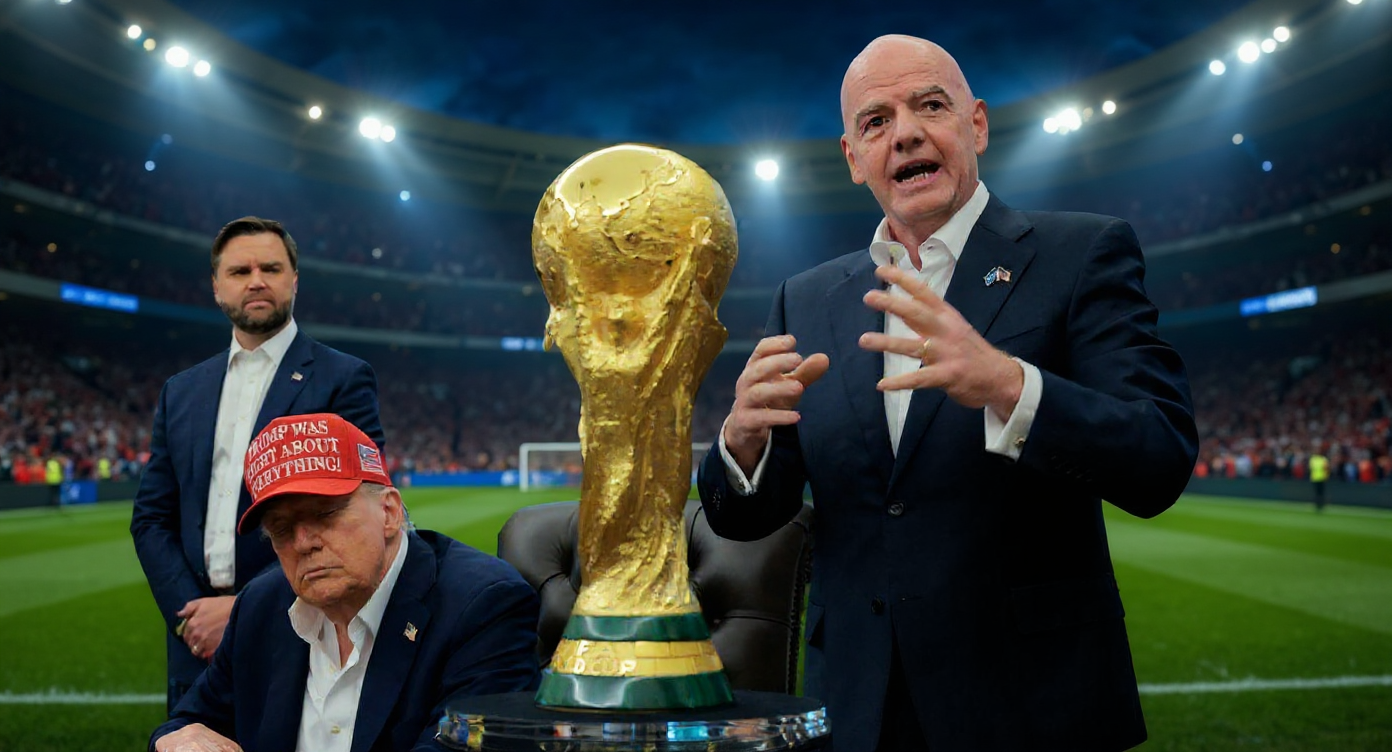
Trump criticises ticket costs as World Cup approaches
Former U.S. president Donald Trump has publicly criticised the cost of tickets for the 2026 World Cup, saying he "wouldn’t pay it" after hearing reported prices for the United States' opening match in Los Angeles. The comment, made in an interview with the New York Post and reported by World Soccer Talk on May 7, 2026, places Trump at odds with FIFA president Gianni Infantino, who has defended the tournament’s pricing policy.
What was said and why it matters
According to the World Soccer Talk summary, Trump reacted after learning that some tickets for the United States opener against Paraguay in Los Angeles were being listed at high prices. The same summary cites reporting from The Guardian that showed Category 3 tickets for that match listed at around $1,120, while face-value premium seats for the final were reported as approaching $11,000. World Soccer Talk also notes that FIFA introduced dynamic pricing for the 2026 tournament, a system that lets prices move with demand.
Gianni Infantino has publicly defended FIFA’s approach, arguing that ticket values reflect market demand and that dynamic pricing is a response to the commercial environment in the United States. Infantino has also said resale markets contribute to inflated costs, and that selling tickets too cheaply risks third-party resellers profiting from higher resale prices.
Supporter backlash and resale concerns
World Soccer Talk’s piece frames the issue as a growing source of frustration among fans and supporter organisations, who have reacted strongly to reports of four-figure prices for group-stage matches and very high face values for premium final seating. The article highlights that FIFA’s resale marketplace has featured listings with even higher asking prices, which has compounded concerns about accessibility and affordability.
- Donald Trump told the New York Post he "wouldn’t pay" the reported ticket prices for the U.S. opener (reported by World Soccer Talk, May 7, 2026).
- The Guardian (as cited by World Soccer Talk) reported Category 3 tickets for the U.S. v Paraguay match around $1,120 and premium final seats approaching $11,000.
- FIFA introduced dynamic pricing for the 2026 World Cup, allowing prices to fluctuate with demand (reported in World Soccer Talk).
- Gianni Infantino has defended the pricing strategy, citing market demand and resale market dynamics (reported in World Soccer Talk).
Context: ticketing, demand and the US market
World Soccer Talk’s summary places the pricing debate in the wider context of the United States, Canada and Mexico co-hosting the tournament and FIFA’s aim to stage an ambitious event. The report says hundreds of millions of ticket requests have been submitted, which FIFA uses to justify its pricing choices. Comparisons are also made with the 2022 World Cup in Qatar, where the most expensive final ticket was reportedly lower than the high-end figures now being discussed for 2026.
The tension between a FIFA official defending market-driven prices and a high-profile political figure — who has publicly supported aspects of the tournament in the past — criticising those same prices adds a new dimension to the debate ahead of the tournament kickoff in roughly a month’s time.
What happens next
The immediate consequence is heightened public scrutiny of FIFA’s ticketing model and renewed calls from supporters for greater affordability and transparency. Given the proximity of the tournament, further comments from FIFA, national associations, supporter groups or ticketing platforms could follow. Confirmation of specific face-value price lists, official FIFA statements on dynamic pricing and any interventions around resale would be needed to fully assess the situation.