What Wrexham are really building under Ryan Reynolds and Rob McElhenney
Wrexham's owners Ryan Reynolds and Rob McElhenney have pushed the club beyond a Hollywood revival. BBC Sport examines how investment, infrastructure and community focus aim to
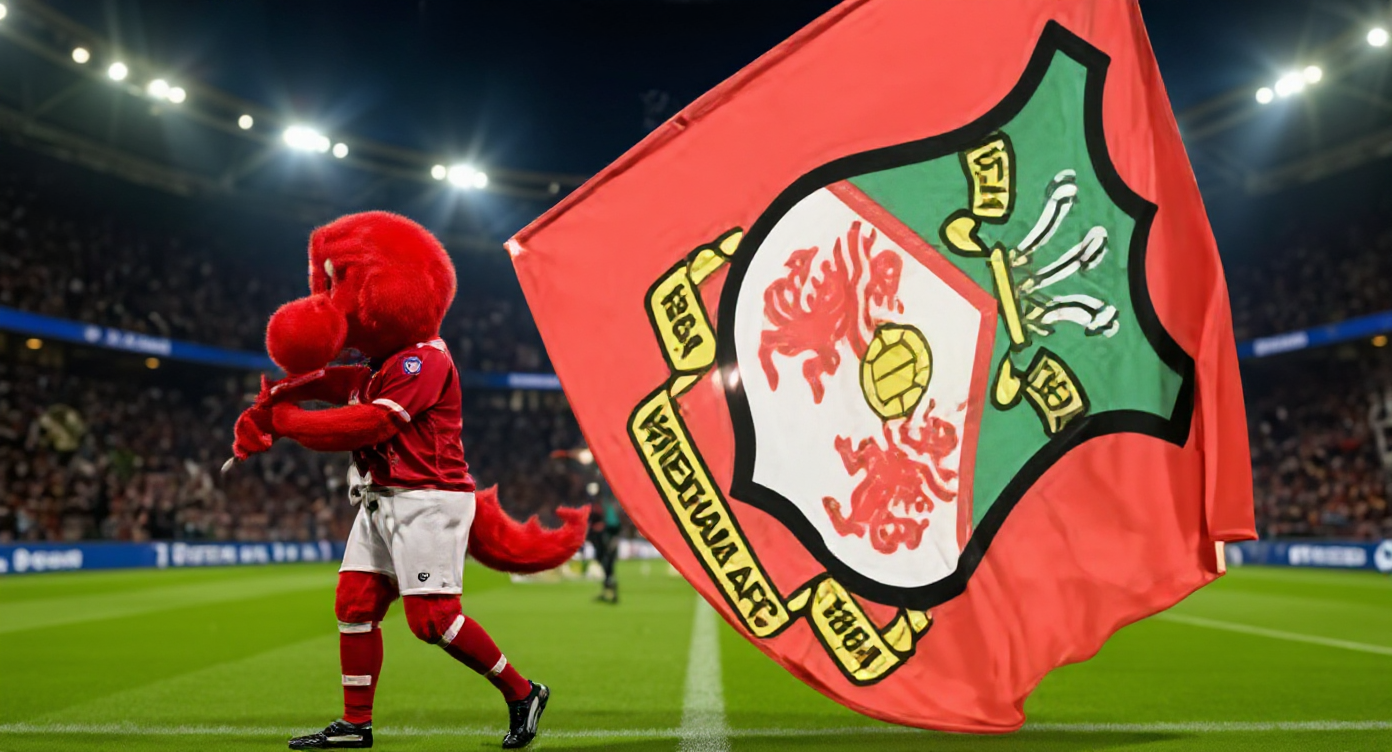
Overview: beyond the Hollywood story — who, what and why it matters.
Who: Wrexham AFC under co-owners Ryan Reynolds and Rob McElhenney. What: a shift from a feelgood, celebrity-driven revival to a broader programme of club development focused on infrastructure, community engagement and sustainable football performance. When: as examined in a BBC Sport feature published 13 May 2026. Why it matters: the club’s approach could redefine how smaller clubs leverage profile and investment to create long-term sporting stability rather than a short-term media story.
Why it matters
Wrexham’s owners have attracted global attention; how that attention is converted into lasting gains is the central question. If profile and capital are channelled into infrastructure, coaching, recruitment and local engagement, Wrexham could create a model other lower-league clubs study. Conversely, without clear long-term plans, the club risks being remembered mainly for a brief surge in popularity.
What the BBC feature highlights (high-level themes)
The BBC Sport feature cited in the source metadata frames Wrexham’s story as more than a Hollywood narrative. It explores themes around investment, community relationships and institutional development — how celebrity ownership can be used to build sustainable football structures that survive beyond media cycles.
- Owners Ryan Reynolds and Rob McElhenney are central to Wrexham’s elevated profile.
- The club is being positioned as more than a feelgood media story — there is an emphasis on building long-term foundations.
- Investment and community engagement are themes explored in the feature.
- The analysis was published by BBC Sport on 13 May 2026.
How this could affect Wrexham’s football project
When a club’s ownership focuses on infrastructure, it typically changes priorities across recruitment, youth development and facilities. While the supplied metadata does not list specific projects or figures, the BBC feature’s framing suggests attention to sustainable elements such as coaching pathways, stadium and training ground improvements or community programmes — areas that would impact squad development and club finances over the medium to long term.
Community and commercial balance
The interplay between commercial growth — boosted by celebrity involvement — and local roots is central to Wrexham’s narrative. The BBC piece, according to its description, examines how Reynolds and McElhenney are building “more than just a successful men’s team,” implying work on wider club structures and the fanbase. How those commercial gains are reinvested will determine whether the club achieves sustainable sporting progress.
What it means for supporters and local stakeholders: increased visibility can bring new sponsorship, higher matchday revenues and broader engagement, but it must be balanced with preserving community identity and ensuring on-field decisions suit long-term sporting goals.
What happens next / What it means
The BBC Sport feature raises questions about the next phase of Wrexham’s project: translating profile and capital into durable football infrastructure and community benefit. For readers and supporters, the crucial follow-ups are the club’s specific plans, timelines and measurable outcomes — details not provided in the supplied metadata but likely addressed in the full article.
For publication: this draft relies on the BBC Sport article’s title and description. The original article should be consulted for direct quotes, named initiatives, figures and specific examples before final publication.